Operational Excellence | Supply Chain Transformation | AI In Operations | Switzerland Based, Open To Projects Globally
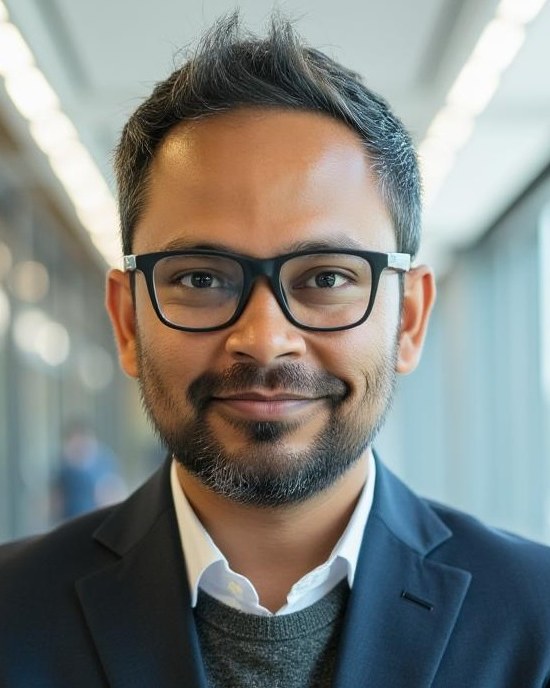
I build teams that translate Strategy, Data and AI into resilient supply chain performance. I have 18 years of experience in Fortune 500 companies, in engineering, operations and transformation teams. These days I advise executive teams across Europe and the US, and I build and scale my own AI-led supply chain tools within organizations.
I led the Service Performance team that delivered it in 2023-2025
€4B+enterprise revenue secured
during a complex post-merger integration of €4.4B for FedEx-TNT
300+disruptions managed
geopolitical, infrastructure and labor events
30+countries led
18 years, with assignments in 5 countries
What people I have worked with say
“
Driving our service performance to best in class, and highest results in the last decade...
HC
Hans Clement-VenckenManaging Director, FedEx
...someone who drives results by fostering a safe, collaborative, and high-performing team culture.
JH
Jan-Harmen HietbrinkSVP at Choice Logistics, former Managing Director, FedEx
Saurabh is a leader people want to work for. He delivers high-standard results and empowers others to do the same.
SR
Sooraj RavikumarFormer direct report, FedEx
...his ability to synthesize large sets of information, under time constraints, into concise updates to executive management, enabling quick and accurate decision making.
HC
Hans Clement-VenckenManaging Director, FedEx
...he led us in developing an analytics platform that enabled us to identify key customer insights for migrations...
AT
Alan TreanorFormer direct report, FedEx
In a period when several company-wide initiatives were running in silos, Saurabh orchestrated alignment across global stakeholders.
SR
Sooraj RavikumarFormer direct report, FedEx
Experience
Education
Certifications
My journey: 18 years in Fortune 500
Hover over a role, or tap it, to see what I did.
EngineeringSLB | 2007 to 2018
Mechanical engineer designing wireline tools. One of the first 14 engineers at SLB's new India Technology Center.Engineering & TechnologyMechanical Engineer2007 to 2009Pune, India
Selected for the Field Excellence Program, top 25 of 10,000 engineers. Ran 80+ wireline operations across seven US states with zero safety incidents.OperationsOperations Engineer2009 to 2011Utah, USA
Senior Engineering Product Manager for high-pressure, high-temperature tools. $10M+ revenue from make-to-order tools and $1.3M annual savings from a seal redesign.Reliability & MaintenanceSenior Engineering Product Manager2011 to 2014Houston, USA
Global Engineering Manager for 10,000+ assets in 30+ countries, with 15 direct reports. Quality incidents down 59%, cost of ownership down 40%.Engineering Program ManagementGlobal Engineering Manager2014 to 2018Paris, France
Supply ChainFedEx Europe | 2018 to 2025
Strategy advisor in the program office for the €4.4B FedEx-TNT integration. €32M annual revenue capture, €8M above target. President's Award.M&A IntegrationStrategy Advisor, Integration PMO2018 to 2020Brussels & Amsterdam
Head of Customer Engineering & Solutions Europe. 170 solutions a year, win rate up from 22% to 37%, and 881 customers migrated across 25,000 sites.Customer SolutionsHead of Customer Engineering & Solutions Europe2020 to 2023Brussels & Amsterdam
Head of Service Performance & Ops Excellence Europe. Best on-time delivery in a decade across 30+ countries, 300+ disruptions managed, NPS up 20 points.Service PerformanceHead of Service Performance & Ops Excellence Europe2023 to 2025Geneva, Switzerland
Engineering + Supply Chain + AI2025 to today
Advising supply chain and procurement leaders on resilience and AI build-versus-buy. Three keynotes in 2026 and four decision-intelligence tools built.Independent Advisor2025 to todaySwitzerland
Consultant to the executive team of Columbia Sportswear Europe. Redesigned the S&OP cycle after 27 interviews and trained 250+ colleagues on Copilot.S&OP TransformationConsultant to the Executive Leadership Team2026 to todayColumbia Sportswear, Geneva
Education and certifications
2003 to 2007BS Mechanical EngineeringPune University
2012ADVANCE Leadership ProgramSLB | Six Sigma Yellow Belt equivalent
2016 to 2018MBAHEC ParisTop 10 globally (FT Global MBA Ranking 2026)
2019 to 2021Business Analytics and Data ScienceWharton | MIT
2022 to 2024Negotiation Mastery Organizational Leadership Strategic Execution Disruptive StrategyHarvard Business School
2026Decision Intelligence and AI ImplementationPMI-accredited | CSCMP
Four ways we can work together
Option 1
Leadership roles
I'm looking for a Director or VP role in operational excellence or supply chain transformation, in Switzerland or across Europe.
Each of these started as a problem I was handed. Open a card to see the problem and what I learned from it.
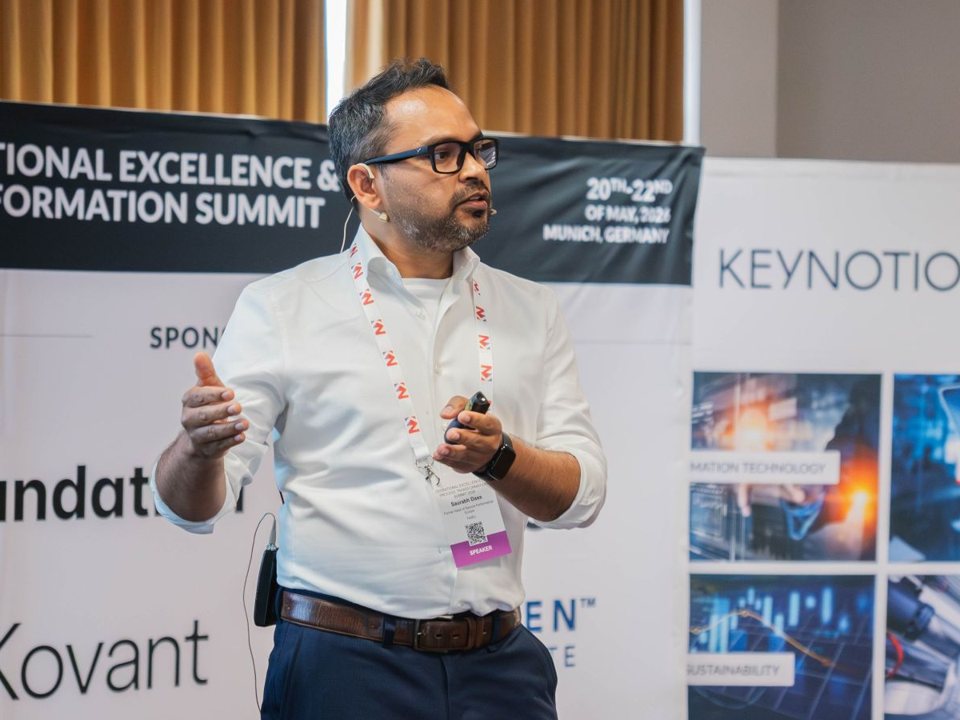
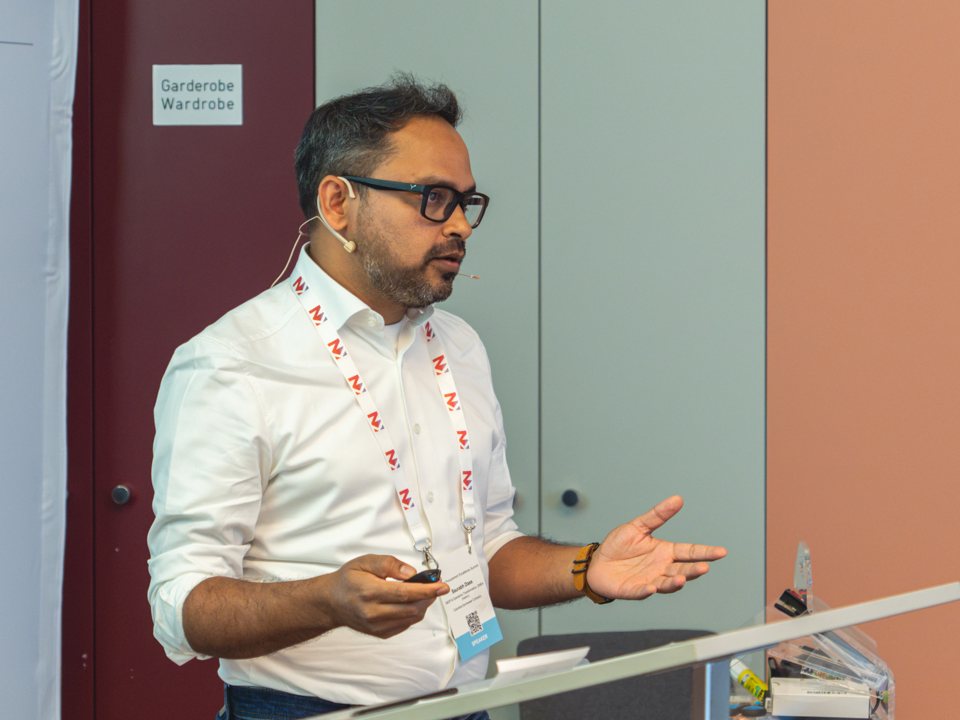
Sharing these lessons at the OPEX & Process Transformation Summit, Munich 2026
1
Service turnaround to a ten-year best
Express logistics | 30+ countries
10-year best
on-time delivery
+20 points
customer NPS
The problem and what I learned
I took on the complex task of rebuilding service performance so the business stayed competitive after the FedEx-TNT merger.
What I learned. Data analytics is a three-part problem: data, communication and decision intelligence.
2
Largest European customer migration
Post-merger integration
881
customers, 25,000 sites
€4B+
revenue secured
The problem and what I learned
I designed the framework that moved our enterprise customers onto one network, with five teams working as one.
What I learned. Always visualize data and break down a bigger problem into smaller, achievable tasks that the entire team can act upon.
3
A control tower for disruption
Risk and resilience
300+
disruptions managed
€6-8B
revenue protected
The problem and what I learned
Strikes, closures and geopolitical shocks kept arriving. I set up one view of the network and one escalation path.
What I learned. Most people think of a control tower as a PMO. A PMO sets accountability, but not ownership. A control tower is about managing risk while respecting the limits of human cognition.
4
Winning more of the right bids
Commercial engineering
22% → 37%
win rate
€115M
annualized new revenue
The problem and what I learned
My team's solution designs took three weeks, and too much effort went to bids we would not win.
What I learned. Prioritize with a model, then standardize the work.
5
S&OP that decides instead of reconciles
Planning | multi-brand apparel
27
diagnostic interviews
0
added headcount or systems
The problem and what I learned
The executive sign-off spent its time agreeing on numbers. I was asked to get it deciding on trade-offs.
What I learned. Assign an owner to each decision before redesigning the meeting.
6
Reliability across 10,000 assets
Asset reliability | energy services
-59%
quality incidents
-40%
cost of ownership
The problem and what I learned
Maintenance practice varied by country, and quality incidents followed. I set one global standard.
What I learned. One maintenance standard, trained locally, beats local variants.
Portfolio: three strategy cases
Each case is my own analysis of a real business problem, built on public information. Companies are described by sector.
Operational excellence for data center logistics
Global logistics provider
Problem
Large data center contracts were already signed. The gap was execution: a 24-hour delivery window, a 98% quality floor, and four business units that customers wanted to hear as one voice.
Outcome
A blueprint for a Center of Excellence: three interlocking roles, leading indicators for each stage of the data center lifecycle, and a daily, weekly and monthly decision cadence.
AI implementation in procurement
Specialty chemicals manufacturer
Problem
Procurement was manual, reactive and siloed, and exposed to volatile commodity markets. The mandate was for AI to carry out 30% of procurement work within 18 months.
Outcome
A 30, 90 and 120-day plan built around adoption, a nine-step source-to-pay map, and a build-versus-buy position: one tool built in-house and five bought, with a vendor assessment for each.
Outbound transportation and last-mile strategy
Premium sportswear brand
Problem
Volumes were set to grow four to five times by 2030 across the US, Europe and Asia-Pacific. No single carrier could deliver the speed, compliance and customer experience needed in every market.
Outcome
A roadmap to 2030 on four themes, a multi-carrier model by region and channel, a first-90-days plan, and five KPIs led by on-time delivery above 98% for premium service.
I want no one to be scared of using AI. Whether you like it or dislike it, have an opinion about it, and let that opinion include wanting to understand it.
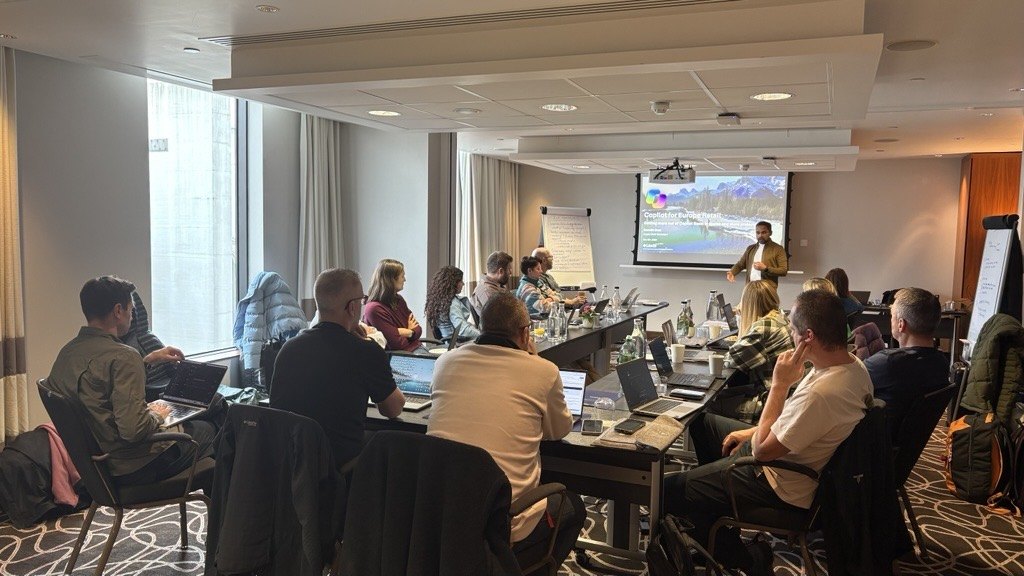
I have trained people from frontline customer care teams to global executives. The aim is always the same: leave one rung higher than you arrived.
Copilot program
9.5/10
rated by participants
AI learning cohorts
250+
professionals trained, across Operations, Sales and Planning
The AI ladder: where are you today?
ConversationalistAsks questions, like a smarter search box1
DrafterWrites and rewrites emails and messages2
GrounderBrings their own files and data to it3
BuilderGets structured outputs back4
EngineerPrompts with intent, then iterates5
Systems thinkerKeeps a library of prompts that improve over time6
Don't feel bad if you are on the left, and don't feel too proud if you are on the right. The technology moves fast enough that everyone has to keep climbing.
A hands-on Copilot session, 2026
Fluent is not the same as accurate.
AI predicts the most likely answer, not the correct one. It is strongest where you can check it and weakest where you are tempted not to. Grounding it in your own files is the fix.
The perfect prompt does not exist.
I teach five parts instead: persona, attachment, process, deliverable, iterate. Then save what worked and reuse it.
Train the majority, not the pilot team.
Most pilots are built around people who are already enthusiastic. Most of an organization comes after them, and that is who I teach for.
What it means for your organization
The majority moves, not only the enthusiasts.
Every participant leaves one rung higher than they arrived, from frontline teams to the executive floor.
Answers your teams can check.
People learn to ground AI in their own files and data, so they can verify the output before acting on it.
Habits that outlast the session.
Teams save the prompts that worked and reuse them, so the library improves over time.
Capability you own.
The tools below show that supply chain intelligence can be developed in-house.
Formats: executive one-to-one coaching, team sessions, and Copilot programs for operations teams. Book a session
What I build: four tools on public data
I build these to show that supply chain intelligence can be developed in-house. Nothing in them is proprietary, and I'm happy to walk you through any of them.
European road network optimizer
Hub and lane design with disruption risk.
Apparel supply chain simulator
From purchase order to sales order.
European disruption heat map
Where risk is building, by region.
Strait of Hormuz tracker
Chokepoint status and exposure.
Request a demoI'll walk you through any tool in 30 minutes.
How I work: rigor and narrative in the same seat
Rigorous and creative.
I start with interviews and the data. Then I look for what the data quietly says, and that is usually where the real problem sits.
Quantitative and persuasive.
The math is necessary. The framing is what gets a leadership team to decide, so I work on both.
Builder and validator.
I build working mock-ups and tools myself, iterate them with the team, and hand them over so the team can change them.
Embedded, not parachuted.
I design nothing the organization cannot maintain itself: same team, same systems, no new roles.
What I believe
Eight ideas I return to in every keynote and every engagement.
1
The decision is the product.
Why
Stop starting with the dashboard. Decide which decision you want to change, then pull only the data it needs.
2
Attention is the scarce resource.
Why
People retain a handful of numbers. Strategic metrics belong in single digits, however much data sits underneath.
3
Look before the patient has died.
Why
Lagging metrics tell you what already failed. The signal worth acting on shows up about 48 hours earlier.
4
Severity is not risk.
Why
Risk is severity times likelihood. The supplier who confirms late every week costs more than the port closure everyone watches.
5
Data without an operating system does not act.
Why
A daily trigger, a weekly pattern and a monthly structural decision, each with a named owner.
6
Disruption is not random.
Why
It is seasonal, compounding and predictable. Redesign the network in May, because in the fourth quarter you can only react.
7
AI has made building possible for everyone.
Why
If you have the vision, you can build your own intelligence. The real gain is how fast a signal becomes a decision.
8
Be the translator.
Why
Most value is lost between business, operations and analytics. I work in the gap between the three.
How I lead
Six values, each with what the people I have led and reported to say about it.
People first, standards high.
I set high standards for the result and for how we get there. I do not trade one for the other.
“...he leads with integrity, empathy, and precision.”
Grow people into leaders.
The best measure of my team is where its people go next.
“He created an environment where junior employees developed leadership skills and advanced in their careers.”
A safe team is a fast team.
People raise problems early only when it is safe to do so. I build that first.
“...someone who drives results by fostering a safe, collaborative, and high-performing team culture.”
Speak up, including to the boss.
I give my leaders honest feedback and I expect the same from my team.
“What I've particularly valued is Saurabh's willingness to speak up and provide constructive feedback—even to me as his leader.”
Knowledge shared is knowledge multiplied.
I teach what I learn, so the team's capability does not depend on me.
“...his mentorship has had an immensely positive impact on my career.”
Decide with data, lead with empathy.
Numbers start the conversation. People finish it.
Empathy, active listening and a data-driven approach were the strengths my direct reports named most often.
Three keynotes in 2026
OPEX & Process Transformation SummitMunich | May 2026Rated best session of the eventWorld Procurement Excellence SummitFrankfurt | October 2026Supply Chain & Logistics Transformation SummitMunich | November 2026
I talk about data foundations, management operating systems, and connecting planning with execution.
Why I do what I do
It starts with a backpack.
I own a lot of backpacks. At one point, more than 40. A classmate on a Harvard Business School course once interviewed me about why I had bought yet another one, for an assignment on "jobs to be done". She concluded that my backpacks show who I am. She was right, so this is where my story starts.
I choose a backpack the way I would choose a supplier. I research it, read the reviews and look for the best in class. I won't buy from a company until I understand its roots and can trace its supply chain, and I will pay more for a maker that treats its people fairly and sources its materials sustainably.
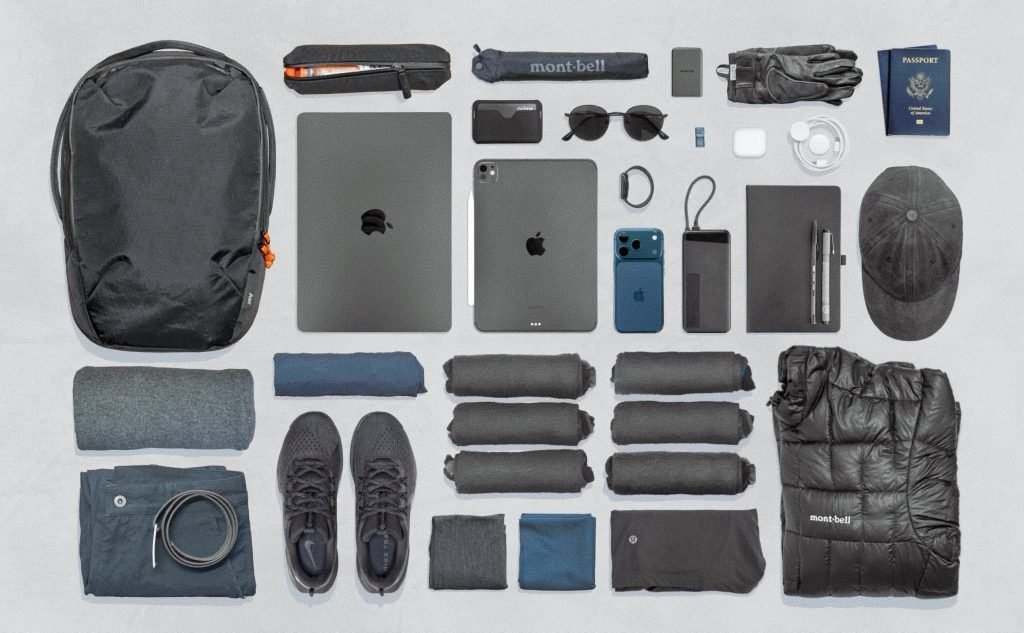
What goes inside is not minimalist travel. It is a portable operating system: enough power, connectivity, light and food to keep working for days, wherever I am and whatever goes wrong.
Why would anyone carry all that to a meeting? Because of where I learned what readiness means.
What I carry every day
A 26,000 mAh battery pack that powers everything, laptop included
A three-metre extension cord, for distributed power
Two SIM cards from different countries
Torches with 48 hours of battery
Snacks and water for a few days, plus cutlery
A personal coffee machine
You don't control the shock. You control your readiness.
Mumbai in the 2000s taught me that rule. The floods of 2005, the train attacks of 2006 and the attacks of 26/11 in 2008 all arrived without asking. The only thing you could decide was how ready you were when they did.
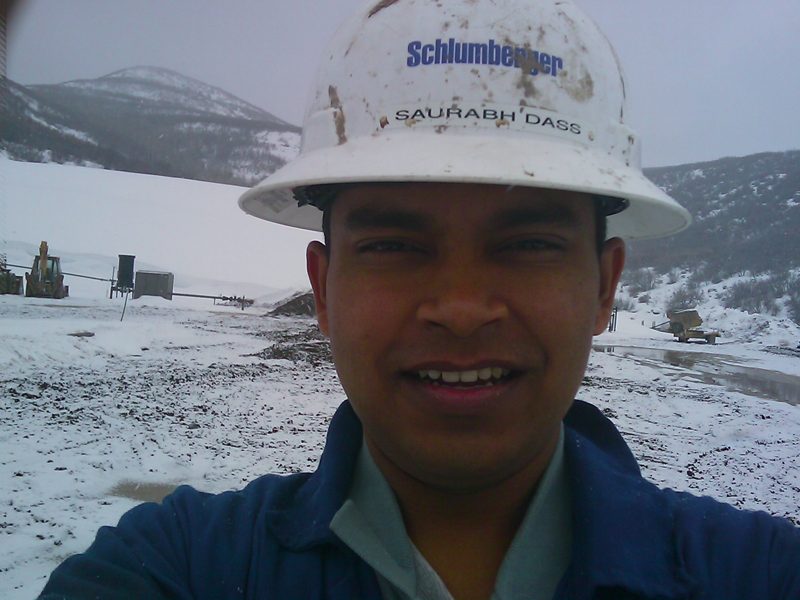
I have carried that rule into every job since, and I chose jobs where it mattered. As a five-year-old I opened up my toys to see how they moved, which made me a mechanical engineer. A few years into my career I left a glass-walled, air-conditioned office in Pune for the oil rigs of the American Midwest, sleeping in the back of a pickup truck. My instructor there gave me a second rule I still lead by: don't ask your team to do a task you cannot or would not do yourself.
Three places tested those rules, and each one taught me something I still use.
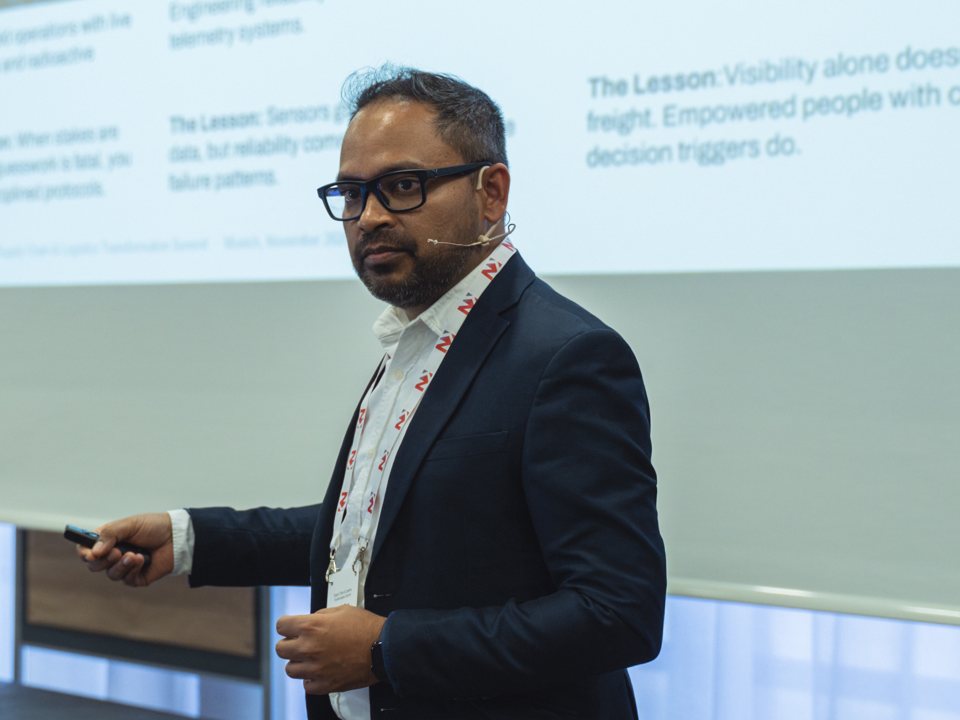
Telling this story on stage in Munich, November 2026
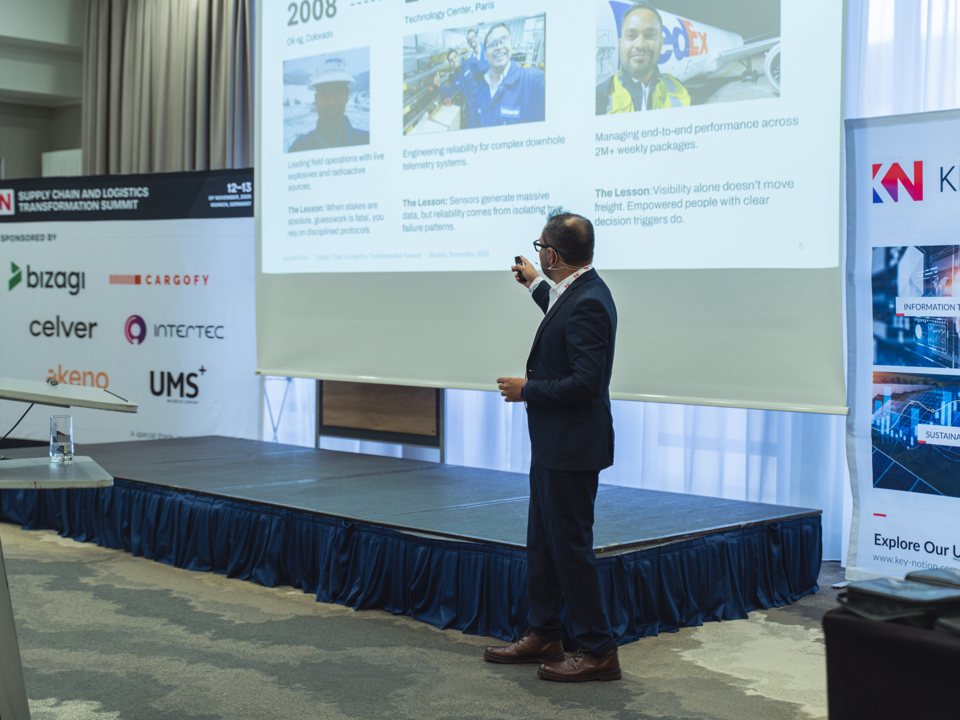
Three places where failure was not an option
Oil rig, ColoradoLeading field operations with live explosives and radioactive sources.
The lesson. When stakes are absolute, guesswork is fatal. You rely on disciplined protocols.
Technology Center, ParisEngineering reliability for complex downhole telemetry systems.
The lesson. Sensors generate massive data, but reliability comes from isolating true failure patterns.
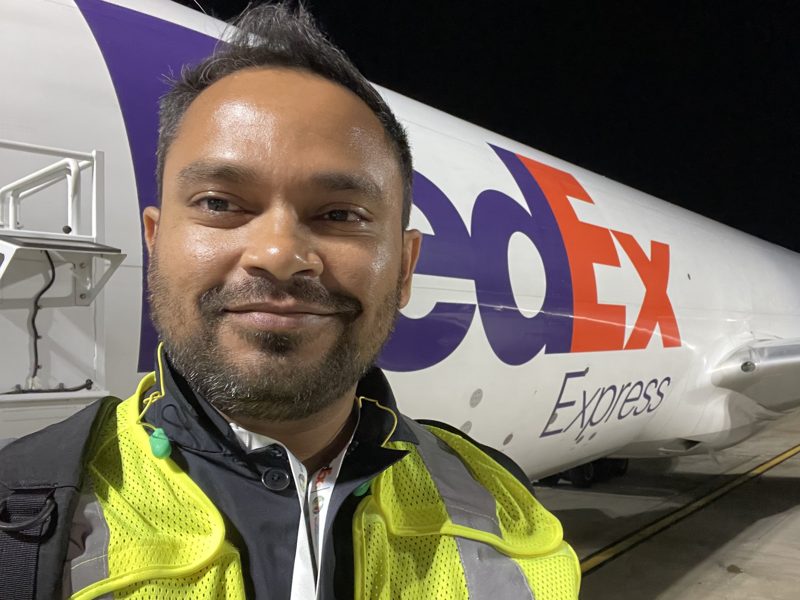
FedEx SuperHub, MemphisManaging end-to-end performance across 2M+ weekly packages.
The lesson. Visibility alone doesn't move freight. Empowered people with clear decision triggers do.
Protocols, patterns, people. Put the three lessons together and you get the job I do today.
So I became the translator
I am not a data scientist and never have been. For eight years I sat in the middle: between the executives who needed decisions, the operations teams who needed to act, and the analytics teams who had the answers but could not always make them land.
Nobody talks about that gap, and it is where most transformations stall. I have worked in operations excellence and transformation my whole career, and the difference is rarely the data. It is people making decisions.
So that is the work I choose: translating between the three, and building tools that act as a multiplier, so people can decide faster and better. Readiness, in the end, is a decision someone is equipped to make.
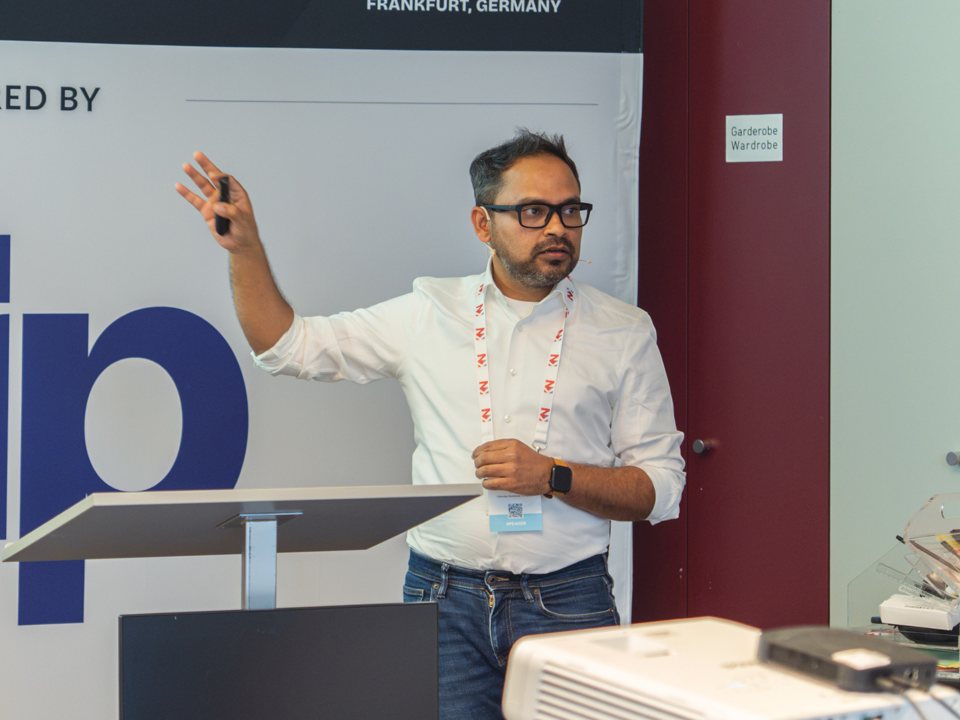
On stage in Frankfurt, October 2026
And why I pass it on
A translator is only useful if the knowledge travels. Sharing it has always brought me joy. For two school years in Texas I left work once a week to teach mathematics to fourth and fifth graders, and on the rigs I mentored new field engineers. Each time, I learned more than I gave.
Knowledge shared gets multiplied. That is why I now spend so much of my time taking the fear out of AI, for people at every point of the adoption curve, from frontline customer care teams to global executives.
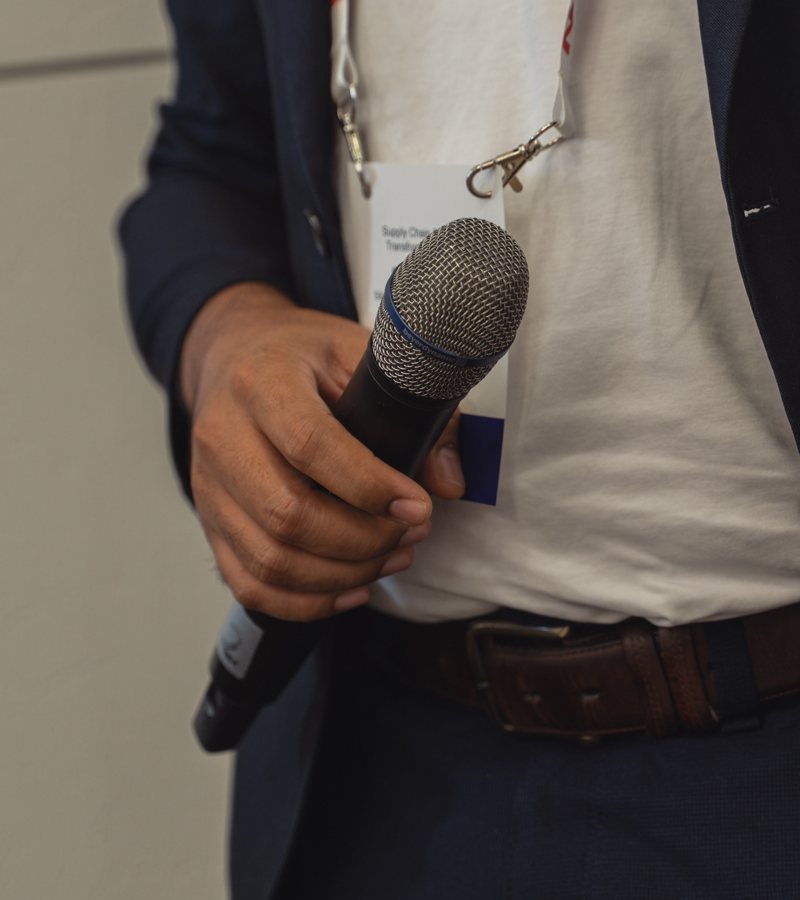
It is also why I started speaking this year. Ten minutes before my first keynote I was sure I would bomb. Then I stopped trying to impress and set one goal: the room should enjoy it and walk with me through three points.
I use that as a leader too. Don't aim to impress. Aim for people to walk with you.
The backpacks get passed on as well. When one leaves my collection, my aim is to give it to someone who could not otherwise afford it, not to sell it or let it go to waste.
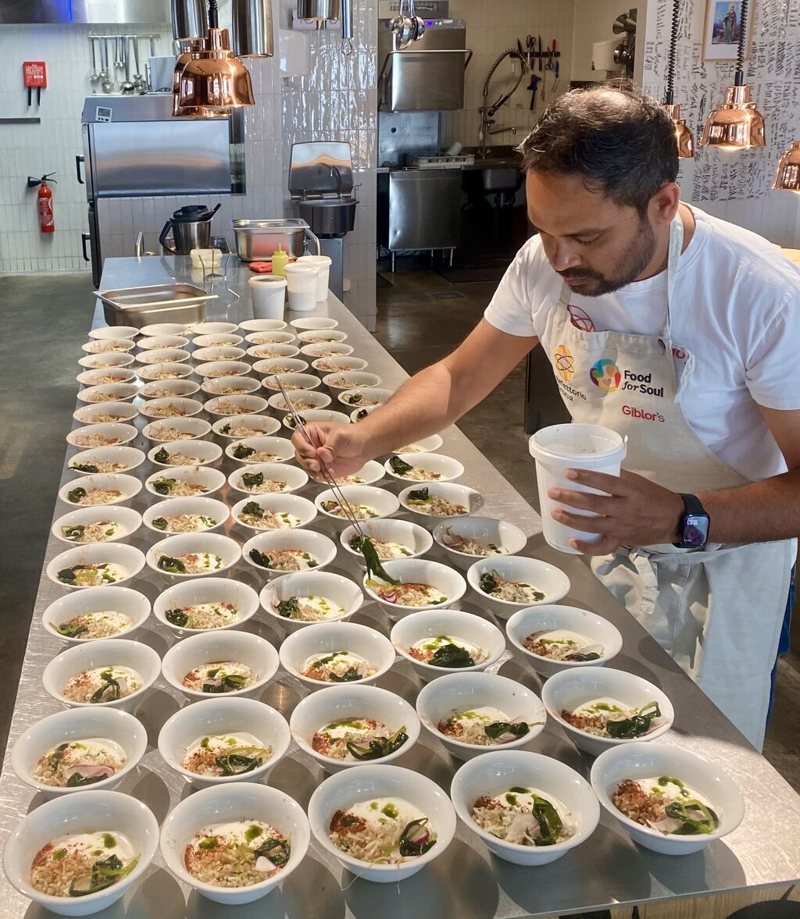
And once a week, passing it on means putting on an apron.
Munich, November 2026
Why I volunteer: respect, through excellence
Plating for evening service at Refettorio Geneva
Almost every week I spend an afternoon and an evening at Refettorio Geneva, a kitchen that serves a hot meal every evening to people who need it most. I help prepare the food in the afternoon and serve it at night.
I come from a Bengali culture where food is central to everything, so a kitchen is where I feel most at home. And I am an immigrant myself. I know how privileged I am never to have left my country against my will, and I volunteer to work towards a world where no one has to worry about food or shelter.
What keeps me coming back is how it is done: a fine-dining setting, careful plating, proper service. For many guests it is the only meal of the day. As I told the Refettorio team, "It is a form of showing respect and equality through excellence."
That is the same standard I hold at work. Excellence is not for show. It is how you show people they matter.
TexasMaths mentor at an elementary school; Houston Food Bank
BrusselsServe the City
GenevaRefettorio Geneva, since January 2026
Featured in Refettorio Geneva's newsletter, May 2026. Read the feature
The short version
I started as a mechanical engineer at SLB, joined FedEx in Europe after an MBA at HEC Paris, and led performance for the European network. Today I advise executive teams on supply chain transformation and practical AI, and I build my own decision-intelligence tools.
Based
Geneva, Switzerland
Lived in
India, the United States, France, Belgium and Switzerland
Education
MBA, HEC Paris; BS Mechanical Engineering, Pune University
Certified
Decision Intelligence (PMI-accredited); AI Implementation (CSCMP)
Teams
Up to 15 direct reports, with functional influence over 200+ people
Awards
FedEx President's Award 2020; FedEx-TNT Integration Award 2022
How I think
Visually. I have mapped problems in mind maps for more than 15 years
Start a conversation
Tell me what you are working on and I will get back to you.